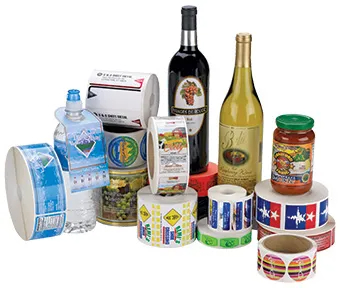
With the rapid development of the packaging and labeling industry, self-adhesive labels have become an essential part of chemical and household chemical product packaging. Thanks to advancements in label materials and printing technology, self-adhesive labels are now widely used across the chemical sector. In the household chemical industry alone, over 30% of products use self-adhesive labels, and the adoption rate continues to grow steadily.
This article provides a comprehensive analysis of the applications, material types, performance requirements, and future development trends of self-adhesive labels in the chemical industry.
1. Why the Chemical Industry Relies Heavily on Self-Adhesive Labels
Chemical products—whether industrial chemicals, daily chemical products, or hazardous materials—require strict, reliable, and durable labeling. Self-adhesive labels offer several key advantages:
1. Ensuring Product Safety Compliance
Chemical packaging must display:
- Ingredient information
- Safety warnings
- Usage instructions
- Environmental markings
- UN hazard classification
- Batch numbers or tracking codes
Self-adhesive labels offer high-definition printing, excellent legibility, and long-lasting durability, ensuring all required information remains clear and compliant.
2. Withstanding Harsh or Complex Conditions
Chemical products are frequently exposed to:
- Moisture or humidity
- Oil stains
- Acidic or alkaline solutions
- Outdoor UV exposure
- High or low temperatures
Self-adhesive labels are engineered to be waterproof, oil-resistant, chemical-resistant, and weather-resistant, ensuring they remain intact and firmly adhered.
3. Enhancing Packaging Aesthetics and Brand Recognition
For lubricants, detergents, sanitizers, personal care products, and more, the label is a major visual element of the packaging.
High-quality labels improve:
- Visual appeal
- Shelf presence
- Brand identity
- Consumer trust
In competitive markets like personal care, labels directly influence purchase decisions.
2. Common Label Materials Used in the Chemical Industry
To meet industry-specific requirements, chemical packaging uses highly durable and specialized label materials:
1. PET (Polyester) Labels
Features:
- High strength and tear resistance
- Heat resistance up to 150°C
- Excellent chemical resistance
Ideal for: lubricants, engine oil containers, industrial chemicals.
2. PVC Labels
Features:
- Waterproof, oil-resistant
- Strong outdoor durability
- Flexible and suitable for curved surfaces
Commonly used for: industrial drums, pipes, and chemical containers.
3. Synthetic Paper Labels (PP / PE)
Features:
- Good printability
- Moisture and abrasion resistance
Perfect for: household chemical bottles such as shampoo, detergent, and disinfectant.
4. Chemical-Resistant Adhesives
Examples include:
- Strong permanent adhesive
- Solvent-resistant adhesive
- Low-temperature adhesive
These ensure labels stay firmly in place even in demanding environments.
3. Typical Application Scenarios in the Chemical Industry
1. Industrial Chemicals
Strongly acidic or alkaline liquids, solvents, and reagents require labels that can resist corrosion and remain legible.
2. Automotive Chemicals & Lubricants
Products such as motor oil, brake fluid, antifreeze, and cleaners require:
- Oil-proof labels
- High-temperature resistance
- Strong adhesion
3. Household Chemical Products
High-volume items like shampoo, body wash, dishwashing liquid, laundry detergent, and surface cleaners rely heavily on:
- Waterproof labels
- Color-rich branding labels
- Curved-surface bottle labels
4. Industrial Containers and Chemical Drums
Large-volume chemical drums require:
- Tear-resistant labels
- Weather-proof materials
- Strong adhesive backing
These labels support warehouse management, logistics tracking, and safety compliance.
4. Advantages of Using Self-Adhesive Labels in the Chemical Industry
1. Waterproof, Oil-Proof, Moisture-Proof
Ideal for products exposed to liquids or chemicals.
2. Compatible With Various Packaging Materials
Such as PE / PP bottles, metal drums, glass containers, and flexible packaging tubes.
3. High Efficiency in Automated Production
Suitable for high-speed automatic labeling lines.
4. Premium Print Quality for Better Branding
Supports:
- Full-color printing
- Spot UV
- Hot stamping (gold/silver foil)
- Matte or glossy finishes
Enhances product presentation and branding impact.
5. Cost-Effective for Mass Production
Stable supply, consistent quality, and suitable for large-scale chemical manufacturers and daily chemical brands.
5. Future Trends in Chemical Industry Labeling
The chemical packaging sector is undergoing rapid upgrades. Key trends include:
1. Adoption of Advanced Materials
Higher use of PET, specialty synthetic materials, and UV-resistant substrates.
2. Smart Labeling and Digital Traceability
Including:
- RFID labels
- QR code traceability
- Anti-counterfeiting solutions
Supports digital supply chain management.
3. Eco-Friendly Labeling Solutions
More brands are shifting to:
- Biodegradable materials
- Water-based adhesives
- Recyclable label solutions
4. Enhanced Safety Standards
Demand grows for labels that resist corrosion, high temperature, solvents, and outdoor exposure.
6. Frequently Asked Questions (FAQ)
1. Which label materials are most suitable for chemical products?
PET, PVC, and synthetic paper with chemical-resistant adhesives.
2. What type of labels should be used for detergents or household cleaning products?
Waterproof PP/PE labels with permanent adhesive.
3. How to prevent labels from peeling off in oily environments?
Use oil-resistant adhesives combined with PET or PVC materials.
4. How to ensure labels on chemical drums stay readable long-term?
Use weather-proof inks and UV-resistant PET or PVC labels.