What Are Polyimide (PI) Labels? A Complete Guide for Electronics & PCB Applications
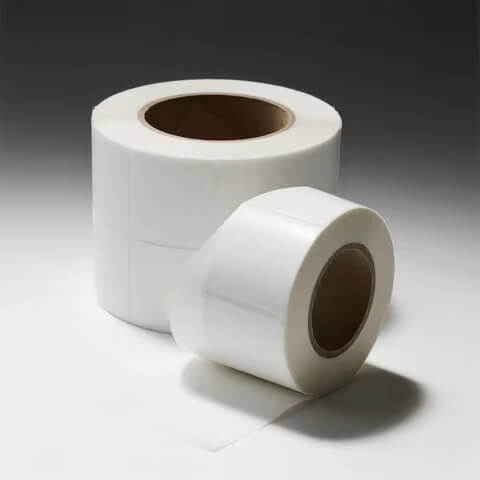
Polyimide (PI) labels are high-performance industrial labels designed for extreme environments, especially in the electronics, PCB (Printed Circuit Board), and SMT (Surface Mount Technology) industries. They are known for their exceptional heat resistance, chemical durability, and strong adhesion under harsh manufacturing conditions.
In this guide, we will explain what PI labels are, their material benefits, and why they are essential in the electronics supply chain.
What Is Polyimide?
Polyimide is a high-temperature-resistant polymer that remains stable under extreme heat—often above 300°C. It is commonly used in aerospace, electronics, and semiconductor manufacturing.
PI labels are made from this material and are designed to withstand:
- Reflow soldering
- Wave soldering
- High-temperature baking
- Chemical cleaning
- Harsh solvents and flux
This makes them the industry standard for PCB tracking and component identification.
Key Features of Polyimide Labels
1. Extreme Heat Resistance (up to 350°C)
Polyimide labels can endure multiple soldering cycles without shrinking, melting, or fading. This stability ensures barcode readability throughout the entire PCB production process.
2. Chemical and Solvent Resistance
PI labels resist:
- Flux
- Alcohol
- Acetone
- Industrial cleaning agents
This makes them suitable for environments where labels are exposed to harsh washing or cleaning.
3. Strong Adhesion with Silicone or Acrylic Glue
PI labels typically use high-temperature adhesives such as silicone glue, ensuring the label remains securely attached during heat cycles.
4. High-Resolution Printing
The smooth PI film surface supports:
- Thermal transfer printing
- High-density barcodes
- QR codes
- Serial numbers
Polyimide Labels vs PET vs PVC
| Material | Max Temp | Durability | Applications |
|---|---|---|---|
| PI | ⭐ 350°C | ⭐⭐⭐⭐ | PCB, SMT, Electronics |
| PET | ⭐ 150–180°C | ⭐⭐⭐ | Industrial labeling |
| PVC | ⭐ 60–80°C | ⭐⭐ | Packaging & retail |
Why PI wins:
It is the only material that can withstand soldering and reflow—making it indispensable in electronics.
Where Are PI Labels Used?
✔ PCB tracking
✔ SMT component labeling
✔ High-temperature electronic devices
✔ Automotive circuit systems
✔ Industrial robotics
✔ Lithium battery cells and modules
These industries require labels that can withstand heat, oil, and chemical exposure.
How to Choose the Right PI Label
- Required maximum temperature
- Adhesive compatibility
- Surface type (metal, PCB, smooth or rough)
- Printing requirements
- UL or RoHS compliance
A reliable supplier will provide samples and test reports before mass production.
Polyimide labels are essential for tracking and identifying components in high-temperature industrial processes. With excellent heat resistance, chemical resistance, and barcode stability, PI labels remain the top choice for electronics manufacturers worldwide.