
There’s no shortage of packaging materials labeled as “eco-friendly” these days, and water-soluble corn starch stickers are part of that conversation. But if you’re running an e-commerce operation in Canada—whether you’re shipping handmade goods, managing food products, or coordinating logistics for a marketplace—the question that matters isn’t whether these stickers sound environmentally responsible. It’s whether they’ll actually hold up in your specific workflow, and whether their unique behavior creates value or complications.The reality is that these stickers aren’t a universal replacement for conventional labels. They’re a functional tool designed for specific scenarios where the ability to dissolve becomes a genuine advantage rather than a liability. Understanding those scenarios means looking beyond marketing language and examining how your products move, where they’re stored, and what happens to them after they leave your hands.
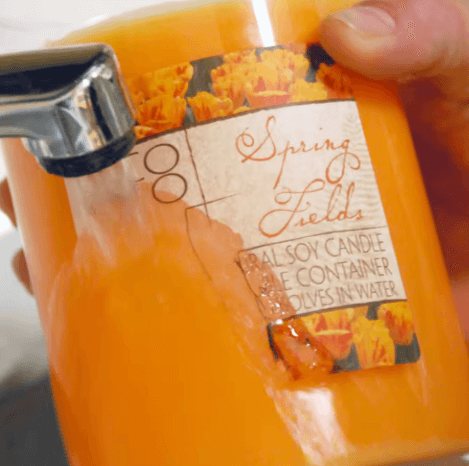
The Disposal Path Defines the Fit
One of the most overlooked aspects of choosing any packaging material is understanding where it ends up. In Canada, commercial composting infrastructure varies significantly by region. Cities like Toronto, Vancouver, and Montreal have well-established programs, while rural areas may rely more heavily on landfill or limited recycling streams. Water-soluble corn starch stickers make practical sense when your labeled product is entering a system where dissolution is an asset, not a problem.
For example, if you’re selling baked goods that ship in compostable packaging, a sticker that breaks down cleanly during the composting process helps keep that waste stream uncontaminated. The same applies to reusable containers in subscription box models—if customers are rinsing or washing items before returning them, a label that dissolves during cleaning eliminates the tedious peeling step and prevents adhesive residue from building up.
But this only works if that’s genuinely how your product is handled. A water-soluble sticker on a product that sits in a humid warehouse for weeks before shipping, or one that needs to survive condensation inside a refrigerated truck, creates a real risk of premature failure. The context has to support the material choice.
Short Lifecycle Products: Where These Stickers Naturally Belong
There’s a reason these stickers have gained traction in food service and direct-to-consumer fresh goods. The functional requirements align almost perfectly. You need a label that communicates essential information—ingredients, branding, batch codes—but only for a matter of days or weeks. After that, the product is consumed, the packaging is discarded, and the label becomes waste.
In these cases, the adhesive doesn’t need to survive long-term exposure to light, temperature swings, or rough handling. It needs to stay put during a short retail window or a single delivery journey, then disappear cleanly when the packaging hits a compost bin or gets rinsed off. That’s a completely different performance profile than a shipping label on a consumer electronics box or a brand sticker on outdoor gear.
For e-commerce sellers in Canada dealing with perishable or short-shelf-life products—think farm boxes, artisan foods, or meal kit components—water-soluble corn starch stickers Canada applications make intuitive sense. The label lifecycle matches the product lifecycle, and the disposal method is often predetermined by the nature of the item.
This is where Fulida has carved out a practical niche. Their water-soluble sticker solutions are designed specifically for businesses where temporary adhesion and clean dissolution aren’t just nice features—they’re functional requirements. Whether you’re labeling compostable mailers or sealing single-use food wraps, their products are engineered to perform reliably within that narrow but critical window, then break down without leaving residue that complicates waste processing.
Moisture Is Both the Feature and the Constraint
The defining characteristic of water-soluble corn starch stickers—their ability to break down in the presence of moisture—is also the primary limitation you need to plan around. This isn’t a flaw; it’s an inherent trade-off. But it does mean your storage, handling, and application processes need to account for it.
If your warehouse runs high humidity, especially during Canadian summer months in regions like Southern Ontario or coastal BC, these stickers require controlled storage conditions. Leaving them exposed to ambient moisture can cause premature tackiness loss or partial dissolution before they’re even applied. That means sealed packaging, climate awareness, and potentially adjusted inventory rotation to prioritize older stock.
On the application side, standard labeling equipment can generally handle these materials, but there are nuances. If you’re using automated systems, the feed mechanism and pressure settings may need minor adjustments to prevent activating the adhesive prematurely or causing smudging. Hand application is straightforward, but it does require keeping work surfaces dry and handling the stickers with clean, dry hands.
The flip side is that once applied correctly, these stickers hold reliably under the right conditions. They’re not going to peel off during normal handling or transit, as long as the product itself isn’t exposed to direct water or sustained high moisture before it reaches the end user. It’s about understanding the boundaries, not avoiding the material altogether.
Where This Doesn’t Make Sense—And Why That Matters
It’s worth being clear about where water-soluble stickers create problems rather than solving them. If your e-commerce operation ships products that need long-term shelf presence—cosmetics, hardware, apparel—the risk of label degradation during storage or handling outweighs any end-of-life benefit. Similarly, if your products are routinely exposed to rain, snow, or refrigeration condensation during fulfillment, a water-soluble label becomes a liability.
There’s also the question of regulatory and customer expectation. If your label carries critical product information that needs to remain legible through the entire consumer use period, and that period could extend months, you’re better served by a durable label with separate recycling instructions. The eco-friendly label use cases here aren’t about forcing biodegradability into every application—they’re about choosing it where it genuinely improves the system.
This kind of honest assessment is what separates effective sustainable packaging decisions from performative ones. Not every product benefits from water-soluble labeling, and pretending otherwise just creates operational headaches and potentially compromises product integrity.
Integration Into Existing Operations: The Practical Side
Adopting any new material in an established e-commerce workflow requires some adjustment. For water-soluble corn starch stickers, the integration points are usually around storage protocols and supplier communication. Your fulfillment team needs clear guidance on how to store these materials—ideally in sealed containers, away from moisture sources, and with rotation systems that prevent prolonged shelf time.
If you’re working with co-packers or third-party logistics providers, those handling instructions need to be documented and communicated upfront. It’s not complicated, but it is different from conventional pressure-sensitive labels, and overlooking that difference can lead to waste or application failures.
From a supplier perspective, working with a provider who understands these nuances makes a significant difference. Fulida offers not just the stickers themselves, but practical guidance on storage, application, and troubleshooting common issues that arise during the transition. For businesses new to biodegradable labeling materials, that kind of support reduces trial-and-error costs and accelerates successful implementation. Their focus on e-commerce and direct-to-consumer applications means the product design already accounts for the typical challenges Canadian online sellers face—seasonal humidity variation, mixed fulfillment environments, and the need for reliable performance without over-engineering.
When the Scenario Matches, the Value Becomes Clear
The businesses seeing the most benefit from water-soluble corn starch stickers Canada solutions tend to share a few characteristics. They’re dealing with products where the label’s job is clearly time-limited. They have disposal pathways that align with dissolution—whether that’s municipal composting, customer-driven washing, or controlled waste streams. And they’re willing to adjust their internal processes slightly to accommodate material-specific requirements.
For those businesses, the stickers aren’t just an environmental gesture. They actively reduce friction in the disposal process, eliminate adhesive contamination in compost, and align brand messaging with operational reality. That’s a different value proposition than simply swapping one label for another and hoping it works out.
The key is approaching this as a functional decision first, and a sustainability message second. When the scenario genuinely supports the material, the environmental benefit becomes a natural outcome rather than a forced narrative.
Frequently Asked Questions (FAQ)
Can water-soluble corn starch stickers survive typical Canadian shipping conditions?
Yes, as long as the product and packaging aren’t directly exposed to water or sustained high moisture during transit. Normal handling, even in humid conditions, won’t cause immediate failure. The risk comes from prolonged exposure or condensation inside packaging, which is more about how the product is packed than the sticker’s limitations.
How quickly do these stickers dissolve once exposed to water?
Dissolution speed varies by formulation and water temperature, but most corn starch stickers break down within minutes in warm water and slightly longer in cold. In composting environments, the breakdown occurs over days to weeks, depending on moisture levels and microbial activity.
Are there specific industries in Canada where these stickers are most commonly used?
Food service, artisan food producers, farmers’ markets, and subscription box services for consumables are the most common adopters. These sectors naturally align with short product lifecycles and composting-friendly disposal paths.
What happens if a water-soluble sticker gets wet before application?
Partial exposure to moisture can reduce adhesive strength or cause smudging. If a sticker becomes fully wet before use, it will begin to dissolve and lose structural integrity, making it unusable. Proper storage prevents this scenario.
Does Fulida offer customization for water-soluble stickers used in e-commerce?
Fulida provides customizable water-soluble sticker solutions tailored to e-commerce needs, including variable sizes, print options, and formulations suited to different product types and storage conditions. Their team works with businesses to match sticker specifications to actual use cases, ensuring performance aligns with operational requirements. For Canadian e-commerce sellers looking to integrate sustainable labeling without compromising reliability, Fulida’s experience in handling moisture-sensitive materials and regional logistics challenges makes them a practical partner in this transition.